The Social Impact of Blockchain: Can Crypto Really Drive Financial Inclusion?
Introduction: Financial Exclusion in the Modern World
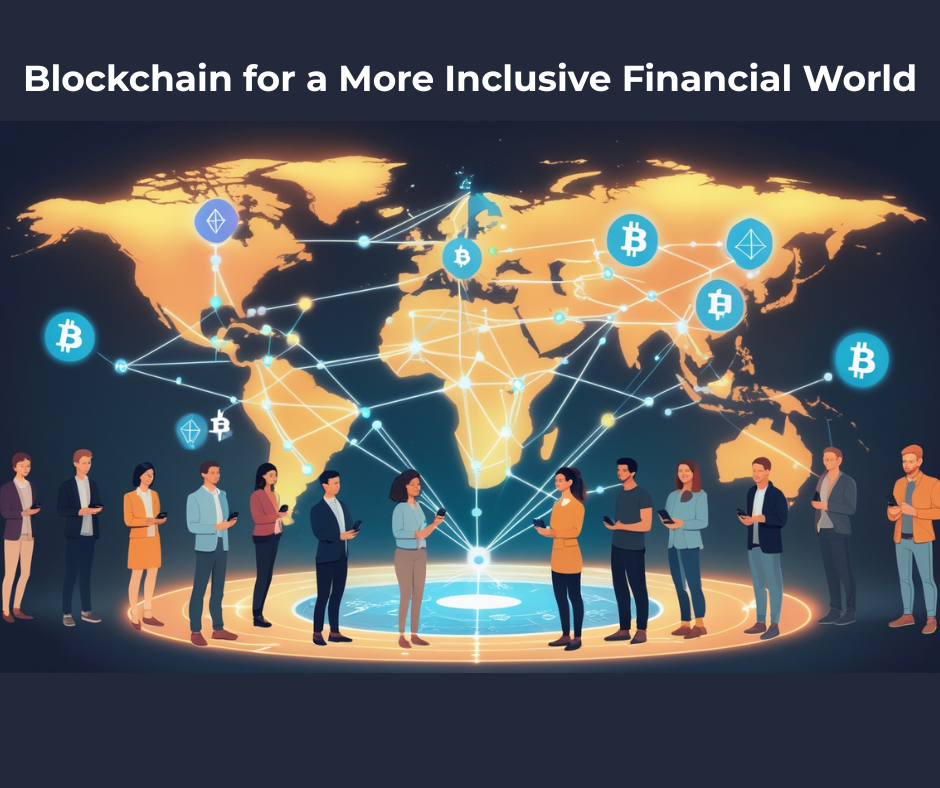
Despite advances in global banking and technology, over 1.4 billion adults worldwide remain unbanked or underbanked. Many more lack access to affordable, reliable financial services. Traditional banking systems are often expensive, slow, and difficult to access—especially for people in developing regions, rural areas, or countries with unstable currencies.
Can blockchain and cryptocurrency truly bridge this gap and promote financial inclusion?
What Is Financial Inclusion—and Why Does It Matter?
Financial inclusion means providing affordable and accessible financial services (like payments, savings, credit, and insurance) to everyone—especially those excluded from the traditional banking sector. Financial inclusion is linked to poverty reduction, economic growth, and improved quality of life.
Yet, high fees, paperwork, geographic distance, and lack of trust in banks keep millions on the outside.
How Blockchain and Crypto Are Changing the Game
1. Accessible, Borderless Payments
Blockchain enables fast, low-cost, cross-border payments using cryptocurrencies like Bitcoin, Ethereum, and stablecoins.
- No need for a bank account
- Reduced remittance fees (often less than 1%)
- Faster transfers, even to remote regions
Example: Migrant workers sending money home can use crypto wallets instead of expensive money transfer services.
2. Decentralized Finance (DeFi): Banking Without Banks
DeFi platforms allow anyone with a smartphone and internet access to save, borrow, earn interest, or swap assets—no bank needed.
- Lower entry barriers
- Permissionless access
- Transparent, auditable transactions
Example: Platforms like Aave or Compound enable microloans to users worldwide, with no credit checks.
3. Stablecoins: Protection from Currency Instability
Stablecoins (cryptocurrencies pegged to assets like the US dollar) offer a hedge against hyperinflation or volatile local currencies.
- Digital “dollars” accessible to anyone
- Used for saving, paying, or conducting business
Example: In countries facing rapid inflation, stablecoins like USDT or USDC become a lifeline.
4. Micro-Payments and Digital Identity
Blockchain supports tiny payments and identity solutions, empowering those earning small incomes or lacking traditional ID.
- Pay-per-use models (streaming, utilities, education)
- Verifiable identity for refugees or the undocumented
- Blockchain-based ID (e.g., World Food Programme’s Building Blocks project)
5. Peer-to-Peer Lending and Savings
P2P lending platforms and community savings pools (built on smart contracts) bypass intermediaries and offer fairer access to credit.
- Lower interest rates
- Direct borrowing and lending
- Automated, transparent processes
Real-World Success Stories
- Kenya: Mobile money services like M-Pesa paved the way for crypto-powered solutions, reaching millions without bank accounts.
- Philippines: Play-to-earn crypto games and digital wallets provide income and savings for unbanked families.
- Venezuela & Argentina: Citizens turn to Bitcoin and stablecoins for savings and everyday transactions amid hyperinflation.
The Challenges and Limitations
- Internet and smartphone access: Still a hurdle for the world’s poorest.
- Volatility: Cryptocurrencies can fluctuate wildly, posing risks.
- Education and digital literacy: New users need guidance to avoid scams and safely manage wallets.
- Regulation: Unclear or harsh regulations can slow adoption and limit access.
- Scalability: Many blockchains still face bottlenecks when handling millions of users.
Conclusion: Can Crypto Drive Financial Inclusion?
Blockchain and cryptocurrencies have already made significant strides in promoting financial inclusion—especially where traditional systems have failed. They provide tools for affordable payments, savings, lending, and economic participation to previously excluded communities.
However, achieving true global financial inclusion will require continued innovation, responsible regulation, user education, and collaboration between the crypto sector, NGOs, and governments.
Crypto is not a silver bullet, but it is a powerful new tool in the fight for a more inclusive, equitable financial world.