Yield Farming Strategies How Advanced Users Maximize DeFi Returns
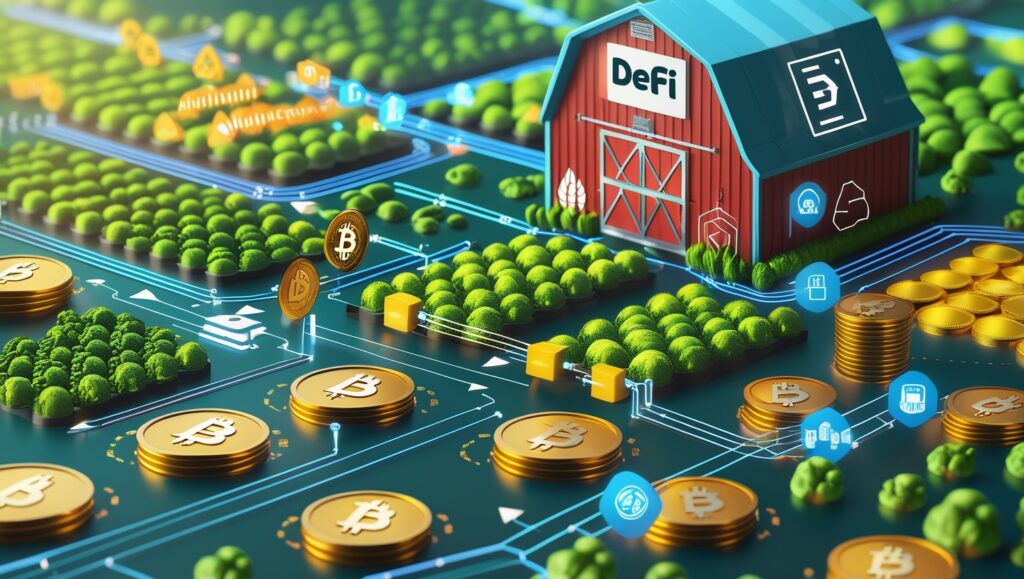
Introduction: What Is Yield Farming in DeFi?
Yield farming is one of the most popular strategies in decentralized finance (DeFi), allowing users to maximize returns by providing liquidity to various protocols and earning rewards. While anyone can participate, advanced yield farming strategies can significantly boost profits—but also come with higher risks. This guide covers how experienced DeFi users optimize their yield farming returns, the best practices, and what you should watch out for in 2025.
Understanding Yield Farming: The Basics
Yield farming (also called liquidity mining) involves depositing crypto assets into DeFi protocols (like decentralized exchanges or lending platforms) to earn passive income—usually in the form of interest, new tokens, or governance rewards.
- Liquidity Providers (LPs) supply tokens to liquidity pools and get rewarded with trading fees and bonus tokens.
- Lending and Borrowing Protocols offer additional opportunities for earning yield.
Key Yield Farming Strategies for Maximizing DeFi Returns
1. Selecting High-Yield Liquidity Pools
- Research platforms with strong security, transparency, and high total value locked (TVL).
- Compare APYs (Annual Percentage Yields) across protocols like Uniswap, Curve, SushiSwap, and PancakeSwap.
- Watch out for short-term “incentive” programs with boosted rewards.
2. Yield Aggregators and Auto-Compounding
- Use automated yield optimizers like Yearn Finance, Beefy, and Autofarm.
- Aggregators move your funds between pools to maximize returns and auto-compound rewards, saving gas and time.
3. Multi-Layer Farming (“Stacking Yields”)
- Deposit LP tokens from one platform (e.g., Uniswap) into another protocol (e.g., Yearn or Convex) for extra rewards.
- Layering yield sources amplifies returns but increases complexity and risk.
4. Stablecoin Yield Strategies
- Providing stablecoin liquidity (USDT, USDC, DAI) reduces exposure to volatile assets while earning competitive yields.
- Platforms like Curve and Aave specialize in stablecoin yield optimization.
5. Hunting for New Opportunities (“Yield Hunting”)
- Advanced users monitor launchpads and new protocols for early-bird rewards.
- Participate in initial farm offerings (IFOs) and high-yield programs—but always do your own research to avoid scams and rug pulls.
6. Risk Mitigation Techniques
- Diversify across pools, platforms, and assets.
- Monitor impermanent loss, smart contract risks, and sudden APY drops.
- Use tools like DeFi Safety, RugDoc, or insurance platforms (e.g., Nexus Mutual) to assess and protect your positions.
Risks and Considerations in Yield Farming
- Impermanent Loss: Potential losses when the price of your provided tokens diverge.
- Smart Contract Vulnerabilities: Bugs or exploits can drain liquidity pools.
- Rug Pulls & Scams: Malicious projects can steal deposited funds—stick with reputable platforms.
- Volatile Returns: High APYs can drop quickly as new capital enters pools.
Best Practices for Advanced Yield Farmers
- Always DYOR (Do Your Own Research).
- Regularly rebalance your portfolio and monitor performance.
- Use multiple wallets for risk segmentation.
- Stay updated on DeFi governance proposals and protocol upgrades.
- Consider the tax implications of your yield farming activities.
Tools & Resources for Maximizing DeFi Returns
- APY Trackers: DefiLlama, YieldWatch, Zapper, APY.Vision
- Portfolio Dashboards: Zapper, DeBank, Zerion
- Security Checkers: DeFi Safety, RugDoc, Immunefi
Conclusion: Mastering Yield Farming in DeFi
Yield farming offers lucrative opportunities, but it requires res